

 Is 6-8 Hours of Sleep Enough?
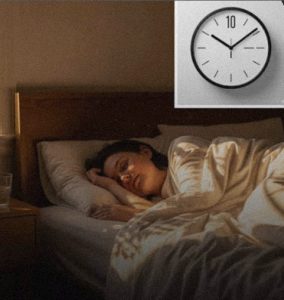
The widely recommended sleep duration of 6-8 hours is generally valid, but it is not absolute. Sleep needs vary:
1. Teenagers: 8-10 hours
2. Adults: 7-9 hours
3. Older adults: 6-8 hours
However, the real measure of adequate sleep is not just duration, but how you feel upon waking.
1. If you wake up refreshed and alert → your sleep is likely sufficient
2. If you wake up tired, weak, or with headaches → your sleep quality is poor
Is 6-8 Hours of Sleep Enough?
The widely recommended sleep duration of 6-8 hours is generally valid, but it is not absolute. Sleep needs vary:
1. Teenagers: 8-10 hours
2. Adults: 7-9 hours
3. Older adults: 6-8 hours
However, the real measure of adequate sleep is not just duration, but how you feel upon waking.
1. If you wake up refreshed and alert → your sleep is likely sufficient
2. If you wake up tired, weak, or with headaches → your sleep quality is poor

 Key Insight: Sleep Quality Matters More Than Quantity
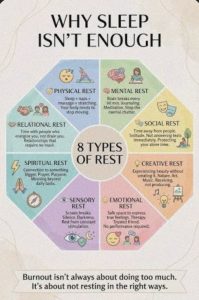
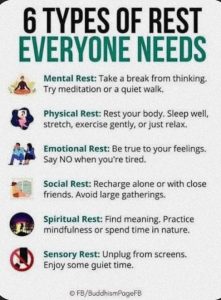
Sleeping longer does not automatically mean sleeping better. The goal is deep, uninterrupted, and restorative sleep, not just time spent in bed.
A Practical Daily Sleep Routine Template
To improve sleep quality, a consistent routine is essential. Below is a simple, practical template you can adapt to your lifestyle:
Evening Preparation (1-2 Hours Before Bed)
1. Reduce fluid intake
2. Avoid caffeine (coffee, tea, soft drinks)
3. Turn off or limit screens (phones, TV)
4. Engage in calming activities (reading, prayer, light music)
Pre-Sleep Wind-Down (30 Minutes Before Bed)
1. Dim the lights
2. Practice relaxation (deep breathing or quiet reflection)
3. Avoid stressful conversations or heavy thinking
Sleep Time
1. Go to bed at a consistent time (e.g., 10:00-11:00 PM)
2. Ensure your room is:
a..Quiet
b. Dark
c. Well-ventilated
During the Night
1. Avoid checking your phone if you wake up
2. Keep movements minimal and return to sleep quickly
Morning Routine
1. Wake up at the same time daily (even on weekends)
2. Get exposure to natural light
3. Engage in light physical activity or stretching
Key Insight: Sleep Quality Matters More Than Quantity
Sleeping longer does not automatically mean sleeping better. The goal is deep, uninterrupted, and restorative sleep, not just time spent in bed.
A Practical Daily Sleep Routine Template
To improve sleep quality, a consistent routine is essential. Below is a simple, practical template you can adapt to your lifestyle:
Evening Preparation (1-2 Hours Before Bed)
1. Reduce fluid intake
2. Avoid caffeine (coffee, tea, soft drinks)
3. Turn off or limit screens (phones, TV)
4. Engage in calming activities (reading, prayer, light music)
Pre-Sleep Wind-Down (30 Minutes Before Bed)
1. Dim the lights
2. Practice relaxation (deep breathing or quiet reflection)
3. Avoid stressful conversations or heavy thinking
Sleep Time
1. Go to bed at a consistent time (e.g., 10:00-11:00 PM)
2. Ensure your room is:
a..Quiet
b. Dark
c. Well-ventilated
During the Night
1. Avoid checking your phone if you wake up
2. Keep movements minimal and return to sleep quickly
Morning Routine
1. Wake up at the same time daily (even on weekends)
2. Get exposure to natural light
3. Engage in light physical activity or stretching
 When to Seek Medical Attention
Consult a healthcare professional if you experience:
1. Frequent nighttime urination (more than 2-3 times regularly)
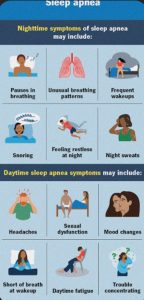
2. Persistent fatigue despite adequate sleep duration
3. Regular morning headaches
4. Loud snoring or breathing interruptions during sleep
Conclusion
Sleep should be viewed as a biological process of restoration, not merely a block of time spent in bed. The body requires continuous, deep, and undisturbed sleep cycles to function optimally.
In simple terms:
It is better to have 6 hours of quality sleep than 8 hours of disrupted sleep.
When to Seek Medical Attention
Consult a healthcare professional if you experience:
1. Frequent nighttime urination (more than 2-3 times regularly)
2. Persistent fatigue despite adequate sleep duration
3. Regular morning headaches
4. Loud snoring or breathing interruptions during sleep
Conclusion
Sleep should be viewed as a biological process of restoration, not merely a block of time spent in bed. The body requires continuous, deep, and undisturbed sleep cycles to function optimally.
In simple terms:
It is better to have 6 hours of quality sleep than 8 hours of disrupted sleep.
 By focusing on both sleep duration and sleep quality, and by following a consistent routine, individuals can significantly improve their physical health, mental clarity, and overall well-being.