
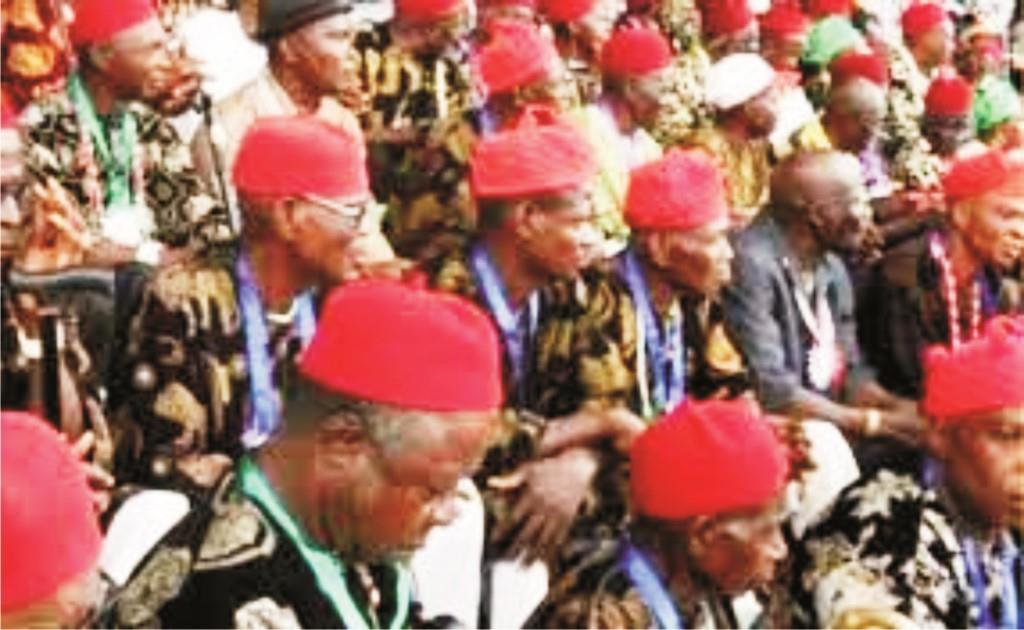
Igbo Struggle Nigeria | By SkyDNews Investigations Desk
Abuja, Nigeria - The Igbo Struggle Nigeria has become a defining national conversation, exposing deep-rooted inequality, marginalization, and growing tensions that now threaten the fragile unity of the country. Across decades, the Igbo people have raised concerns over exclusion from political power, infrastructure deficits, and economic neglect, issues that continue to shape Nigeria’s stability today.
For decades, the Igbo people of Nigeria have grappled with being underestimated, sidelined, and misunderstood in the country’s socio-political landscape. From historical marginalization to contemporary exclusion in federal appointments, economic opportunities, and political representation, the pattern of neglect has left many communities struggling to assert their rightful place in Nigeria’s national narrative.
Across southeastern states, stories of frustration, resilience, and determination abound. These are communities whose youth are often told, explicitly or implicitly, what they can and cannot achieve. Yet, as SkyDNews investigations reveal, this underestimation has also become a source of activation, driving innovation, entrepreneurship, and cultural resurgence.
 Igbo Struggle Nigeria and National Unity
Igbo Struggle Nigeria and Historical Marginalization
The Igbo, known for their industriousness and entrepreneurial spirit, have faced waves of marginalization since the Nigerian civil war (1967-1970). Despite contributing significantly to the nation’s economy, Igbo communities have often been denied access to key political offices and federal economic initiatives.
A review of federal appointments over the past two decades shows that southeastern states consistently receive fewer ministerial slots, diplomatic postings, and security appointments relative to their population and economic contribution. While other regions receive substantial infrastructure and industrial investments, Igbo-majority states report chronic underfunding, limited job creation, and delayed industrial projects.
Political Exclusion and Economic Consequences in Igbo Struggle Nigeria
SkyDNews spoke to residents in Enugu, Anambra, and Imo States, who highlighted how institutional and social underestimation shapes personal and communal life.
- Education: Students in some Igbo communities are often discouraged from challenging the curriculum or questioning authority, a legacy echoed from colonial education systems. Many young people report teachers or counselors advising them toward trades instead of higher education, despite evident talent or ambition.
- Work and Entrepreneurship: Entrepreneurs say they frequently face discrimination in access to federal contracts, credit, and business support programmes, leading many to seek alternative avenues or self-fund projects.
- Cultural Marginalization: Social narratives across Nigeria often stereotype the Igbo as overly ambitious or “too independent,” reinforcing subtle exclusion from political alliances and regional power-sharing deals.
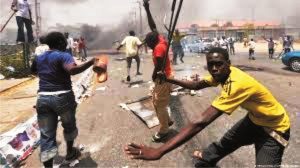
Security Crackdowns and Rising Tensions in Igbo Struggle Nigeria
For many Igbo youth, being underestimated is a daily reality, yet it has fueled resilience and self-actualization. One young professional in Onitsha explained,
“Every time someone said I wouldn’t make it, or that our region isn’t important in national decisions, I used it as motivation. I focused on proving to myself that I can do more than they imagine.”
This phenomenon, referred to in personal development as “activation through underestimation,” is mirrored in Igbo communities’ historical economic strategies, building thriving trade networks, small-scale industries, and diaspora connections despite systemic barriers.
Security Crackdowns and Rising Tensions in Igbo Struggle Nigeria
Persistent underestimation and marginalization of the Igbo have broader implications for Nigeria as a nation. Experts warn that socio-economic neglect risks deepening regional resentment and undermining national cohesion.
Political analyst Dr. Chinedu Obiora notes,
“When a significant ethnic group feels consistently undervalued, it creates a sense of exclusion. This is fertile ground for separatist sentiment, political unrest, and weakening of trust in federal institutions.”
Recent trends show rising advocacy for equitable resource allocation, fair political representation, and inclusion of Igbo youth in governance and national economic initiatives. While the federal government maintains that policies are ethnically neutral, the perception and reality of inequality remain persistent.
Pathways to Healing the Igbo Struggle Nigeria Crisis
Yet, as SkyDNews reports, underestimation can also be transformative. Many Igbo individuals and communities turn systemic neglect into a source of discipline, innovation, and self-reliance.
- Entrepreneurship: Igbo-dominated regions are home to some of Nigeria’s most resilient micro and small enterprises, particularly in trade hubs like Onitsha, Aba, and Nnewi.
- Education and Diaspora: A strong culture of education and diaspora engagement ensures that Igbo voices remain influential globally, even when muted locally.
- Cultural Renaissance: From literature to film, Igbo creatives leverage underestimation as fuel for storytelling, advocacy, and national visibility.
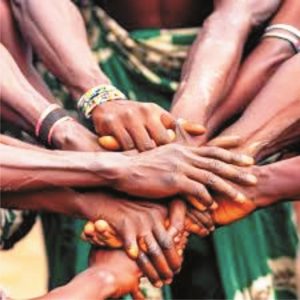
Path Forward: Resolving the Igbo Struggle in Nigeria
Experts agree that Nigeria’s unity depends on equitable treatment, opportunity, and representation. Steps that can transform underestimation into national strength include:
- Fair Federal Appointments: Ensure proportional representation in ministerial, diplomatic, and security posts.
- Economic Inclusion: Support Igbo entrepreneurs through credit facilities, federal contracts, and industrial policy.
- Educational Empowerment: Protect academic curiosity and critical thinking in schools to nurture innovation.
- Cultural Recognition: Celebrate Igbo contributions in media, history, and national discourse to strengthen cohesion.
Conclusion
Being underestimated is not merely a personal or regional challenge, it is a national one. The experience of the Igbo people demonstrates both the danger of systemic neglect and the power of resilience. When properly harnessed, the energy born from underestimation can become a catalyst for growth, innovation, and, ultimately, national unity.
As Nigerian society reckons with its past and charts a path forward, recognizing the contributions and potential of every community is not optional, it is essential for peace, stability, and prosperity.
#IgboStruggle #NigerianUnity #EthnicMarginalization #UnderestimationActivation #SoutheastNigeria #EquityAndInclusion