
Mining in Northern Nigeria | By SkyDNews Investigations Desk
Kaduna, Northern Nigeria - Mining in Northern Nigeria has become a paradox of wealth and suffering, where vast deposits of gold, tin, and other solid minerals continue to attract both opportunity and crisis across the region.
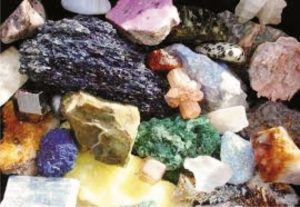
For years, ordinary Nigerians in the country’s North have looked beneath their soil with a mix of hope and frustration. Geological surveys show that Northern Nigeria is home to vast deposits of gold, lithium, iron ore, barite, limestone, and other valuable minerals, resources that could drive jobs, local businesses, and economic growth in a region struggling with poverty and unemployment.
But for many communities in states such as Kaduna, Zamfara, Niger, Plateau, and Kebbi, the promise of prosperity has not translated into real benefits. Instead, people here are left to contend with dangerous working conditions, insecurity, environmental damage, and little visible support from government or investors, even as outsiders profit from mineral extraction.
Mining in Northern Nigeria and the Promise of Mineral Wealth
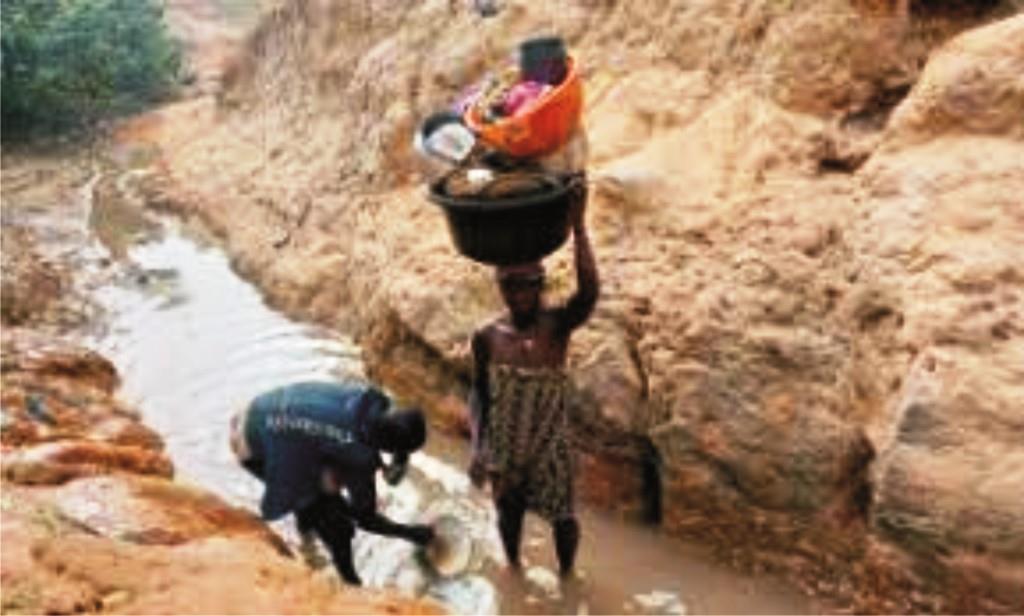
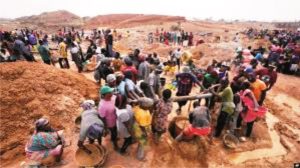
In villages near Kangimi, Kaduna State, where underground lithium and gold deposits have been confirmed, young men and women risk their lives in poorly regulated pits and shafts. They dig and wash ore with simple tools, uncertain of whether today’s haul will be enough for food or school fees.
“When you find gold, you use whatever you have, even your life, to dig it. There are no clinics, no roads, no schools here,” said a miner who asked not to be named because of security concerns.
Across northern communities, artisanal and small‑scale miners (ASM) dominate the mining landscape. While this work provides an income where few alternatives exist, many face hazards such as landslides, collapsing tunnels, heat exposure, and toxic dust, often without protective gear or health support.
In Plateau State in early 2026, a gas leak at an informal mining site killed at least 37 miners and injured dozens more, police and local sources confirmed, a stark indicator of the risks that remain unaddressed in the absence of formal safety standards.
Mining in Northern Nigeria and the Promise of Mineral Wealth
Beyond physical dangers, insecurity has become a major barrier to safe and productive mining. Armed groups and criminal networks exploit weak law enforcement, moving easily between mining sites, highways, and smuggling routes.
In Zamfara State in 2025, gunmen attacked several mining settlements, killing at least 20 people and abducting local residents, according to human rights observers. In many areas, youths say they are too afraid to work without protection or community security structures.
Security analysts warn that illegal mining revenues are often diverted to fund banditry and violent crime, making it even harder for police or federal task forces to restore order without community‑led solutions.
Illegal Mining Crisis in Northern Nigeria
The Nigerian government has attempted to build a legal foundation for solid mineral development. Laws such as the Minerals and Mining Act, regulations on mining licensing, and cooperation agreements with foreign partners, including a 2025 pact with South Africa, aim to boost geological data, attract investment, and diversify Nigeria’s economy.
Yet despite these frameworks, solid minerals contribute less than 1% to Nigeria’s GDP, and few local communities see direct benefits from the resources extracted beneath their land.
In Kaduna State, the government, under Governor Uba Sani, established the Kaduna Mining Development Company and mapped over 70 mineral types. Plans for a lithium processing plant in Kangimi and efforts to formalize thousands of small miners into cooperatives have been announced, but residents say progress is slow and incomes remain low.
“We hear about lithium and gold in government reports, but we don’t see the jobs or investment on the ground,” said a youth leader from Kangimi. “Life here is still hard.”
Security Challenges Linked to Mining in Northern Nigeria
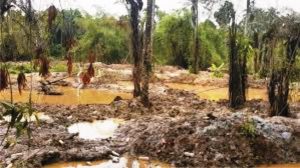
Mining activities frequently replace farmland in northern communities, and unrestricted diggings have led to soil erosion, contamination of water sources, and degradation of grazing lands.
In parts of Niger and Kebbi States, long stretches of farmland lie scarred by deep pits, washed out by flooding or left with no topsoil after careless excavation. Local farmers report that wells and streams are increasingly unsafe for drinking or irrigation, leading to crop losses and rising food insecurity.
Environmental defenders have repeatedly called on regulators, including the Ministry of Mines and Steel Development and the Nigerian Geological Survey Agency (NGSA), to enforce environmental standards, remediate degraded land, and protect farmers’ rights. However, enforcement remains inconsistent.
Security Challenges Linked to Mining in Northern Nigeria
Across Northern Nigeria, residents express a common message: solid minerals should benefit local people, not just investors or external traders.
Community leaders, mining associations, and civil society advocates have urged:
- Formal employment pathways for youths in geological surveying, processing plants, and mineral value‑chain sectors
- Safety training and equipment for artisanal miners
- Independent environmental monitoring to protect farmland and water resources
- Clear benefit‑sharing mechanisms so that local communities receive a fair portion of mining revenues
- Transparent licensing to curb illegal operations and smuggling
Activists argue that mining can be a pathway out of poverty, but only if policies are implemented with strong oversight and true community engagement.
Government Response to Mining in Northern Nigeria
Experts maintain that Northern Nigeria’s mineral wealth, if properly harnessed, could substantially boost local economies and national revenue. Minerals such as lithium are in high global demand for electric vehicle batteries and renewable technology components, presenting new opportunities beyond traditional mining outputs.
However, unlocking this potential requires:
- Accurate geological data and mapping to reduce investment risk
- Stable security environments so formal mining companies can operate without fear of theft or violence
- Structured value chains that move beyond raw extraction toward processing and export
- Linkages with education and skills development programmes to equip Nigerians for higher‑paid roles in the mining sector
Without these changes, many fear that mining will continue to repeat a pattern long seen in Nigeria’s oil sector: wealth extracted from the land, but little prosperity returned to the people whose lives are most affected.
The Future of Mining in Northern Nigeria
From the dusty gold panners of Zamfara to the lithium prospects of Kaduna, and the eroded farmlands of Niger and Kebbi, Northern Nigeria sits on one of the nation’s greatest economic assets. Yet decades of underinvestment, unclear policies, insecurity and environmental neglect mean this wealth remains largely unrealized.
For solid minerals to truly benefit Nigeria and its northern communities, policy ambition must be matched by accountability, community inclusion, and real economic opportunity on the ground. Otherwise, the promises buried beneath the earth will remain just that, promises.
#NorthernNigeriaMining #SolidMineralsNigeria #ArtisanalMining #EconomicDiversification #MiningReformNG #CommunityImpact