U.S.–Israel–Iran Conflict | By SkyDNews Editorial Desk
The U.S.–Israel–Iran conflict has escalated once again, highlighting decades of historical tension, nuclear disputes, and strategic struggles over the Middle East. This article explores the deeper geopolitical reasons behind the confrontation, including oil routes, regional dominance, and global power politics.
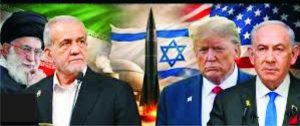
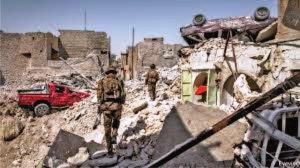
While headlines often focus on missile strikes, nuclear negotiations, and military threats, the real story behind this confrontation runs much deeper.At its core, the conflict is not simply about nuclear weapons or regional rivalries. It is rooted in decades of historical mistrust, ideological differences, and an intense geopolitical struggle for influence over one of the most strategically important regions on Earth.Strait of Hormuz oil route affected by the U.S.–Israel–Iran conflictFrom Allies to Adversaries: The Historical Turning PointThe current hostility between Iran, Israel, and the United States was not always inevitable. In fact, before the late 1970s, Iran maintained friendly relations with both countries.Under the rule of Mohammad Reza Pahlavi, Iran served as one of Washington’s most important allies in the Middle East. The Shah’s government maintained diplomatic and economic ties with Israel while cooperating closely with the United States in security and intelligence matters.This alliance collapsed dramatically in 1979 during the Iranian Revolution, when revolutionary forces led by Ruhollah Khomeini overthrew the monarchy and established the Islamic Republic of Iran.The new Iranian government adopted a foreign policy strongly opposed to Western influence and openly critical of Israel’s existence. Relations deteriorated further during the Iran Hostage Crisis, when Iranian militants seized the U.S. embassy in Tehran and held American diplomats hostage for more than a year.That event cemented a legacy of mistrust that continues to shape relations today.U.S.–Israel–Iran conflictThe Nuclear Dispute: Fear, Deterrence, and DiplomacyAnother central pillar of the conflict is Iran’s nuclear programme.Iran insists that its nuclear activities are intended for peaceful purposes, including electricity generation and medical research. However, Israel and the United States have long suspected that Iran may seek the capability to produce nuclear weapons.In 2015, international diplomacy led to the Joint Comprehensive Plan of Action, a landmark agreement designed to limit Iran’s nuclear activities in exchange for sanctions relief.However, the agreement suffered a major setback when the United States withdrew from it in 2018 under the administration of Donald Trump. Since then, tensions have risen again as Iran gradually resumed certain nuclear activities while Washington reinstated economic sanctions.For Israel, a nuclear-capable Iran represents an unacceptable security threat. For Iran, the nuclear program is often framed as a sovereign right and a means of strategic deterrence.U.S.–Israel–Iran conflict zones and strategic locations in the Middle EastProxy Wars Across the Middle EastBeyond direct confrontation, the conflict has also played out through proxy forces across the region.Iran has cultivated relationships with several influential groups, including Hezbollah in Lebanon and Hamas in Gaza. Through these alliances, Iran has extended its influence into several parts of the Middle East.Israel views these networks as part of a broader Iranian strategy to surround it with hostile forces capable of launching attacks from multiple directions. As a result, Israeli forces have repeatedly targeted Iranian-linked facilities and militias in countries such as Syria.This shadow war has intensified the broader regional rivalry.Past U.S.–Iran conflicts” → /us-iran-historical-conflicts - Strait of Hormuz Oil Traffic AnalysisOil Routes and Strategic ChokepointsBeyond ideology and security concerns lies another powerful driver of the conflict: control over global energy routes.One of the most strategically important locations in the world is the Strait of Hormuz, a narrow maritime corridor through which a large portion of the world’s oil supply is transported.Iran’s geographic position along this passage gives it the ability to influence, and potentially disrupt, international oil shipments during periods of conflict.For global economies heavily dependent on energy imports, any threat to this waterway can trigger major disruptions in global markets. As a result, maintaining stability in the Persian Gulf region has long been a key priority for the United States and its allies.Global Power Politics and Strategic InfluenceThe confrontation between Iran and the U.S.–Israel alliance is also part of a broader struggle for global influence.For decades, the United States has maintained a strong strategic presence in the Middle East through alliances with countries such as Israel and other regional partners. These relationships help Washington protect its economic interests and maintain military access in the region.Iran, however, seeks to challenge what it perceives as Western dominance and to establish itself as a leading regional power.This dynamic has also drawn in other global actors. Both Russia and China have expanded their diplomatic and economic ties with Iran in recent years, further complicating the geopolitical landscape.The Middle East has therefore become a strategic crossroads where regional rivalries intersect with global power competition.Learn more about Middle East energy routes” → /middle-east-oil-geopolitics - BBC News – Iran Nuclear ProgramThe Battle for the Future of the Middle EastUltimately, the conflict reflects a deeper struggle over the future political order of the Middle East.Israel seeks to maintain its security and prevent the rise of hostile military powers in the region. Iran, meanwhile, aims to expand its political influence and position itself as a central force in regional affairs.This competition has produced a persistent cycle of confrontation, ranging from economic sanctions and cyber warfare to military strikes and diplomatic tensions.Iran missile parade and Israel defense systems in the U.S.–Israel–Iran conflict contextA Crisis With Global ImplicationsThe rivalry between the United States, Israel, and Iran is far more than a regional dispute. It represents a complex intersection of history, ideology, strategic resources, and international power politics.As tensions continue to rise, the stakes extend far beyond the Middle East. Global energy markets, international diplomacy, and regional security all hang in the balance.For the international community, the pressing question remains whether diplomacy and dialogue can prevail, or whether geopolitical rivalry will continue to push the region toward deeper instability.#SkyDNews #MiddleEastConflict #IranIsraelTensions #GlobalGeopolitics #OilPolitics #WorldSecurity
We use cookies to ensure that we give you the best experience on our website. If you continue to use this site we will assume that you are happy with it.