Women in Mining Nigeria | SkyDNews Investigative Desk
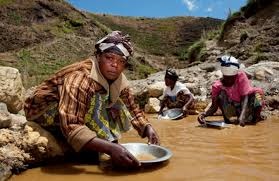
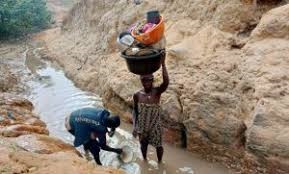
Women in Mining Nigeria is a critical but underreported issue, despite the sector’s long-standing role in the country’s economic development. Across mining host communities, women face systemic exclusion, loss of livelihoods, environmental risks, and limited participation in decision-making processes.
Mining has been central to Nigeria’s economic development for decades, from tin and columbite in Jos Plateau to coal in Enugu, limestone in Sokoto, and emerging critical minerals in Kogi, Edo, and Zamfara states. Yet, beneath the promise of national growth lies a persistent and largely invisible crisis: the disproportionate burden borne by women in mining host communities.
Women in Mining Nigeria: Historical Marginalization
Historically, women in Nigeria’s mining regions have faced systemic exclusion. Studies dating back to the 1970s and 1980s documented women in Jos, Enugu, and Zamfara engaging in artisanal mining, trading in minerals, or supporting household food production, only to see their contributions undervalued or ignored. While men often controlled extraction, sales, and negotiations, women were left with the unpaid labour of caregiving, farming, and domestic maintenance, which mining disruptions magnified.
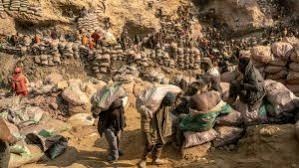
This historical marginalization continues today. Women like Agnes in Ankpa, Kogi State, illustrate the stark reality: when mining operations expand, women lose fertile farmland, access to clean water, and economic stability. Their exclusion from decision-making bodies, compensation negotiations, and community governance structures deepens inequality, reinforcing cycles of poverty and vulnerability.
Gendered Impacts of Women in Mining Nigeria
1. Loss of Livelihoods: Women are often primary farmers or fishers in rural communities. Mining acquisition of land and pollution of rivers destroys their means of sustenance.
2. Environmental Degradation: Water contamination, deforestation, and soil erosion disproportionately affect women, who rely on natural resources for household nutrition, cooking, and income.
3. Health and Safety Risks: Exposure to dust, heavy metals, and toxic runoff increases women’s risk of respiratory illnesses, miscarriages, and chronic conditions.
4. Increased Unpaid Care Work: When mining impacts communities, women bear the additional burden of providing food, healthcare, and shelter under harsher economic conditions.
6. Exclusion from Decision-Making: Despite the principles of Free, Prior, and Informed Consent (FPIC), women are frequently absent from negotiations, community development committees, and local leadership roles.
Land Rights and Women in Mining Nigeria
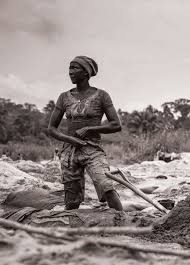
Customary land tenure systems in Nigeria often favour male ownership, leaving women with limited legal recourse when mining companies acquire land. Statutory protections exist, such as Nigeria’s Land Use Act and the Minerals and Mining Act, but enforcement is weak. Women struggle to secure formal recognition of their property rights, and compensation is often allocated to male heads of households, further entrenching economic inequality.
The Climate Dimension
Building Inclusive Decision-Making
Inclusive governance in mining communities requires more than token representation. It demands:
1. Active Participation in FPIC Processes: Ensuring women’s perspectives are formally included in consultations and agreements.
2. Capacity Building for Leadership: Training women in negotiation, governance, and advocacy to amplify their influence.
3. Collective Organizing: Strengthening women’s groups to engage with companies, government, and civil society on equal footing.
4. Legal Literacy: Educating women on statutory rights to land, water, and compensation.
Case Studies Across Nigeria
1. Jos, Plateau State: Women historically traded in tin and columbite but were excluded from leadership in miners’ cooperatives.
2. Enugu, Enugu State: Coal mining displaced communities, disproportionately affecting women’s agricultural livelihoods and increasing domestic pressures.
3. Zamfara State: Artisanal gold mining has exposed women to environmental toxins while excluding them from revenue-sharing mechanisms.
4. Kogi and Edo States: Emerging critical mineral projects risk repeating historical patterns unless women are engaged in decision-making and environmental oversight.