
Nigeria 72-hour Infrastructure Disruption | A SkyDNews Public-Interest Investigation
Nigeria 72-hour infrastructure disruption is a national preparedness question that demands urgent attention. If electricity, telecommunications, water supply, transportation and other essential services failed simultaneously for three days, would Nigeria have the capacity to protect its citizens?
Nigeria's 72-Hour Infrastructure Disruption: A National Preparedness Question
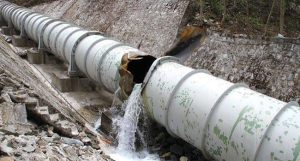
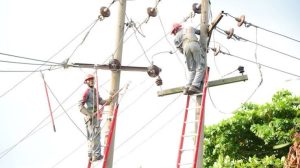
Nigeria's infrastructure systems are deeply interconnected. Electricity supports hospitals, water treatment facilities, telecommunications equipment and transportation systems. Telecommunications enable emergency calls, security coordination, financial transactions and the dissemination of public information. A major disruption to one system can therefore affect several others. When multiple systems fail together, the consequences could extend beyond inconvenience to public safety, health, security and economic survival.
Nigeria 72-hour infrastructure disruption: What happens when the emergency call cannot get through?

Nigeria 72-hour infrastructure disruption: Has Nigeria Conducted a 72-Hour National Resilience Assessment?
-
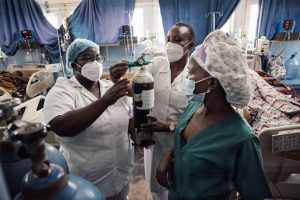
Whether hospitals, emergency centres and critical security facilities can operate independently of the national electricity grid for at least 72 hours.
-
-
Whether water, food, essential medicines and emergency fuel can be distributed to affected communities.
-
Whether emergency responders can coordinate across federal, state and local government boundaries.
-
Whether evacuation, emergency shelter and public information arrangements adequately protect children, older persons, persons with disabilities and people in remote communities.
The results should identify weaknesses, assign responsibility for addressing them and establish measurable timelines for improvement.
Emergency Communications During a 72-Hour Infrastructure Disruption
A national emergency number is only as effective as the systems behind it. If a citizen calls 112 during a major emergency, the call must reach a functioning centre. The centre must be able to identify the emergency, communicate with the appropriate responders and coordinate assistance. That process depends on power, communications, trained personnel, equipment and operational funding. Nigeria must therefore demonstrate that emergency communications centres have reliable backup electricity, alternative communication channels and arrangements for continued operations when conventional infrastructure is disrupted. The same principle applies to hospitals, fire services, police commands and emergency management agencies. A system that works only when every supporting infrastructure is functioning normally may not be sufficiently resilient for a national emergency.

Nigeria 72-hour infrastructure disruption: What Should the Government Disclose About National Preparedness?
SkyDNews calls on the Federal Government, the National Emergency Management Agency, the Nigerian Communications Commission, the Nigerian Electricity Regulatory Commission, the Nigeria Security and Civil Defence Corps and relevant state governments to provide a coordinated public account of Nigeria's national infrastructure resilience. The public deserves clear answers to the following questions:
-
Has a national assessment been conducted to determine how many citizens could be protected during 72 hours of simultaneous infrastructure disruption?
-
When was the most recent national or multi-state emergency simulation exercise conducted, and what were its findings?
-
Which critical facilities have verified backup power, independent communications and emergency supply arrangements?
-
What proportion of emergency response facilities can operate continuously for 72 hours without relying on normal electricity and telecommunications services?
-
What weaknesses have been identified, and what resources and timelines have been committed to addressing them?
The government should also publish a national resilience assessment, subject to appropriate security protections, and establish a regular schedule for testing and reviewing emergency preparedness.
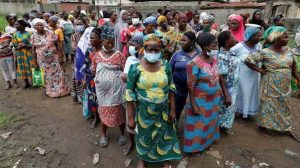
Nigeria 72-hour infrastructure disruption: Preparedness must be measured by outcomes
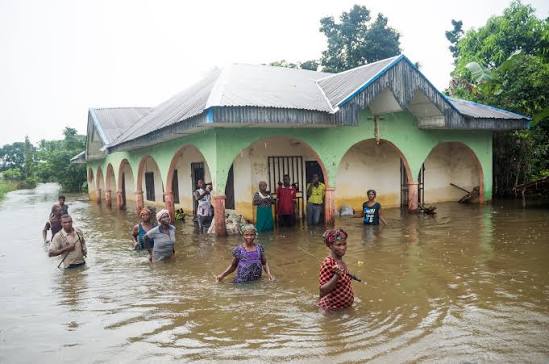
Nigeria has experienced emergencies involving floods, insecurity, infrastructure failures and other disruptions. The country does not need to wait for a hypothetical nationwide crisis before examining whether its emergency systems can withstand one. The objective is not to create panic. It is to prevent avoidable loss of life. Preparedness must be measured by the ability to sustain essential services, communicate during emergencies, reach vulnerable communities and restore critical infrastructure within clearly defined periods. For citizens, the most important measure of emergency preparedness is simple: when disaster strikes, will help arrive in time? For the government, the responsibility is equally clear: demonstrate that the systems designed to protect Nigerians can continue functioning when the systems supporting them fail.