skydnews70@gmail.com
C35 Kobi Street, P. O. Box 1867, Bauchi 740001, Bauchi State - NIGERIA.
SkyDNews Logo

SkyDNews Network

From GOTV to Go Out on Time, Vote: Turning Awareness into Democratic Action

GOTV civic awareness campaign encouraging Nigerians to go out on time and vote responsibly.

GOTV Go Out on Time Vote Nigeria | SkyDNews | Civic Responsibility | Democracy & Governance


Sometimes, a familiar expression can acquire a meaning beyond its original setting. A word, phrase or acronym can become a bridge between an everyday observation and a much larger public conversation. For Nigerians concerned about the future of their country, GOTV offers an opportunity to promote a simple but important message of civic responsibility: Go Out on Time, Vote!

GOTV is familiar to many Nigerians as the name of a digital pay-TV service. In electoral politics, the related expression Get Out the Vote is widely used to describe efforts to encourage eligible citizens to participate in elections. This provides a useful starting point for a broader discussion about democratic participation and the responsibility of citizens to help shape their country’s future. For this SkyDNews reflection, the phrase “Go Out on Time, Vote!” is a creative civic campaign message. It is not an endorsement of any television company, political party, candidate or electoral interest. Rather, it is a non-partisan appeal to Nigerians to recognise that citizenship involves more than observing political developments, expressing frustration or debating the shortcomings of those in public office.


Across the country, citizens discuss the cost of living, unemployment, insecurity, electricity, education, healthcare, roads and the quality of public services. These are issues that affect everyday life and deserve public attention. But an important question remains: What is the value of political awareness if it never translates into responsible civic participation? Democracy requires citizens to be informed about public affairs, understand their rights and responsibilities, and take advantage of lawful opportunities to influence the direction of government. Voting is one of the principal ways eligible citizens can do this. The central message of GOTV is therefore straightforward: do not allow political awareness to end in conversation alone. Be informed, prepare appropriately, participate peacefully and, when election day comes, make the effort to vote according to your conscience.
    GOTV civic awareness campaign encouraging Nigerians to go out on time and vote responsibly.    

Democracy Is More Than the Right to Complain


Nigeria’s constitutional framework provides an important starting point for understanding the relationship between citizens and government. Section 14(2)(a) of the Constitution of the Federal Republic of Nigeria states that sovereignty belongs to the people of Nigeria, from whom government derives its powers and authority. Section 14(2)(c) also provides that the participation of the people in their government shall be ensured in accordance with the Constitution. These provisions reflect an important democratic principle: public authority is intended to derive its legitimacy from the people and must operate within the constitutional framework. However, democratic principles acquire practical significance through credible institutions, public accountability and citizen participation. Elections are among the principal mechanisms through which eligible citizens help determine who exercises political authority. Voting does not exhaust the meaning of citizenship. Nigerians also have responsibilities to stay informed, respect the rights of others, question public decisions, participate in community affairs and demand accountability between elections. Nevertheless, the ballot remains a vital instrument through which citizens can express their electoral choices. A democracy in which citizens participate only in political arguments, while neglecting the formal processes through which representatives are selected, risks creating a gap between public opinion and political representation.

Citizens may be dissatisfied with the performance of their leaders, yet the process of selecting representatives continues under the applicable electoral rules. When eligible voters withdraw from that process, they surrender an opportunity to express their preferences through the ballot. This does not mean that citizens should overlook electoral shortcomings or accept every political decision without question. On the contrary, a healthy democracy requires scrutiny, criticism and reform. It means that criticism and participation should not be treated as mutually exclusive. That is why GOTV should be more than a catchy phrase. It should serve as a reminder that democratic participation requires informed choices and practical action.
GOTV civic awareness campaign encouraging Nigerians to go out on time and vote responsibly.


The Difference Between Political Awareness and Political Participation


Consider the conversations that take place in Nigerian homes, markets, offices, universities, religious gatherings and across social media. Citizens discuss public policies, criticise political promises, compare campaign statements with lived experiences and debate the conduct of elected officials. These conversations are legitimate and necessary. A society in which citizens cannot question authority has little room for meaningful accountability. Journalism, public debate and peaceful criticism help expose problems, bring issues to public attention and encourage those in power to explain their decisions. Yet political discussion and electoral participation are not the same thing. A person may follow every political headline, understand controversies surrounding public officeholders and express strong opinions about governance, but still fail to participate in an election for which that person is eligible. This creates a democratic paradox: citizens may feel deeply affected by political decisions while leaving the formal process of choosing representatives to those who turn out to vote.

Political scientists have studied this gap through research on voter mobilisation. Donald Green and Alan Gerber’s book, Get Out the Vote: How to Increase Voter Turnout, examines evidence about methods used to encourage electoral participation. Their work contributes to a broader understanding of what can help move citizens from political interest or intention to actual participation. The lesson for Nigeria is not that voting alone will solve every governance problem. Rather, it is that participation should never be assumed simply because citizens are interested in politics. Awareness must be accompanied by the willingness and practical ability to participate. There may be many reasons eligible citizens do not vote. Some may have lost confidence in political leaders. Others may be discouraged by previous electoral experiences, face transportation or accessibility difficulties, lack reliable information or believe that their individual participation will make little difference. These concerns should not be dismissed. Electoral institutions and political stakeholders have responsibilities to build public confidence, improve accessibility, respect the rules and support peaceful participation. At the same time, citizens who are able to participate should recognise the importance of making informed choices and using the lawful opportunities available to them. The aim is not to shame people who face genuine obstacles. It is to encourage a culture in which citizens and institutions alike take electoral participation seriously.
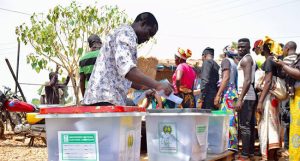
GOTV civic awareness campaign encouraging Nigerians to go out on time and vote responsibly.    

Why Every Eligible Voter Matters


Elections are collective exercises, but every eligible voter makes an individual decision about whether to participate and which candidate or option to support. When some citizens abstain, the election does not automatically stop. Other voters may still determine the outcome under the applicable electoral rules. This is one reason participation deserves serious attention. Abstention does not always communicate a clear political message. A citizen who stays away may be dissatisfied with all available candidates, discouraged by past experiences, prevented by logistical difficulties or simply disengaged. Unless that citizen expresses a choice through a lawful electoral channel, however, the ballot does not record a preference. This is not an argument that every eligible citizen must support a particular candidate or political party. It is an appeal to recognise the value of participation and to make electoral decisions deliberately rather than through indifference or misinformation.
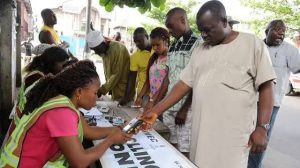
Nigeria must continue to strengthen electoral accessibility, security, public confidence and the practical conditions necessary for participation. Citizens should be able to approach the voting process without intimidation, coercion or unlawful inducement. The responsibility is shared. Electoral institutions must administer elections credibly. Political parties and candidates must respect the law. Security agencies must operate within their lawful responsibilities. Civil society and the media should support accurate public information, while citizens should make reasonable efforts to exercise their rights where they are able to do so. GOTV is therefore both an individual reminder and a collective challenge. It calls on citizens to take participation seriously while reminding institutions that a credible and accessible electoral process is essential to public confidence.

GOTV civic awareness campaign encouraging Nigerians to go out on time and vote responsibly.


Voting Is Not an Endorsement of Every Politician


One misconception that can discourage electoral participation is the belief that voting necessarily means approving of the entire political system or declaring absolute confidence in a particular candidate. It does not. Voting is an exercise of electoral choice within the options and rules available at a given election. Citizens can vote while remaining critical of political parties, demanding stronger institutions and insisting that elected officials fulfil their obligations. An electoral choice does not require a voter to suspend independent judgement. Nor does it prevent citizens from criticising a candidate or party after the election. The important question is how citizens arrive at their decisions. A responsible voter should examine candidates’ records, policy proposals, public conduct, experience and the feasibility of their promises. Political slogans may attract attention, but they should not replace careful consideration of evidence and the issues that matter to the constituency.

Voters can ask practical questions: What has a candidate previously done in public office or community service? What commitments are being made? Are the proposed solutions realistic? How does the candidate intend to address local needs? What evidence supports the claims being presented? Citizens should also be cautious about misinformation, ethnic or religious manipulation, financial inducements and pressure from people who seek to dictate their choices. Personal identity, community ties and political loyalties may influence how people view public affairs, but voters should retain the freedom to examine the issues and reach their own conclusions. The purpose of this appeal is not to tell Nigerians whom to vote for. It is to encourage them to participate, think critically and make their own informed choices. A democratic society is strengthened when voters can disagree peacefully about candidates and policies while respecting one another’s rights.

GOTV civic awareness campaign encouraging Nigerians to go out on time and vote responsibly.    

The PVC Is Not the Destination; Participation Is


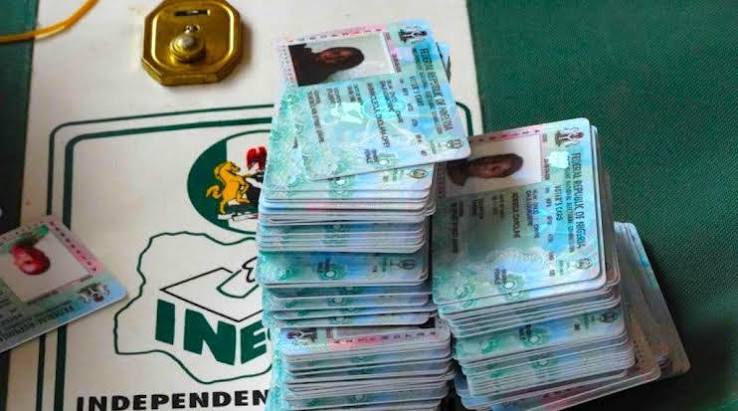
For Nigerian voters, possessing a Permanent Voter’s Card (PVC) is an important part of the electoral process, but possession of the card is not the same as casting a ballot. Eligible citizens should follow official guidance from the Independent National Electoral Commission (INEC) concerning voter registration, verification of voter details, collection of voter credentials where applicable, polling arrangements and the procedures established for each election. They should confirm their registration details, understand where they are expected to vote and seek accurate information through official channels rather than relying entirely on forwarded messages or unverified social media posts. Preparation also matters. Citizens should check the official voting timetable and applicable procedures ahead of election day, make reasonable arrangements for reaching their polling units and allow enough time to participate. Where voting hours, identification requirements or other procedures apply, voters should confirm them through current INEC guidance.

This is where the phrase “Go Out on Time, Vote!” becomes particularly practical. It encourages eligible citizens not only to value their vote in principle but also to plan ahead so that avoidable delays or last-minute confusion do not prevent them from participating. For first-time voters and younger Nigerians, civic education should explain not only how to register and vote, but also why electoral participation matters and how to assess political information critically. For older citizens and persons with disabilities, electoral planning should take account of accessibility, transportation where necessary and the availability of appropriate assistance in accordance with electoral rules. Public institutions and election stakeholders should also consider barriers that may prevent people from participating independently, safely and with dignity. A meaningful GOTV campaign should therefore do more than tell people to vote. It should encourage them to understand the process, prepare responsibly, seek reliable information and participate peacefully and lawfully.

 

GOTV civic awareness campaign encouraging Nigerians to go out on time and vote responsibly.


The Importance of Peaceful and Responsible Participation


Elections can generate strong emotions because political decisions affect livelihoods, public services, security and the future of communities. Citizens may hold sharply different views about candidates, parties and the direction of government. Those differences are part of democratic life. They should not become excuses for threats, intimidation, violence or the suppression of opposing opinions.
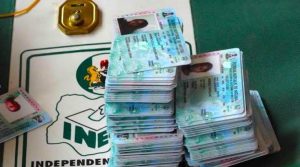

Responsible electoral participation begins with respect for the freedom of others to make their own choices. No voter should be forced to support a candidate because of a threat, financial inducement, community pressure or the misuse of authority. Citizens should also avoid spreading unverified allegations, fabricated election results or inflammatory messages that could increase tension. Where concerns arise, they should seek credible information and use the appropriate lawful channels to report them. Political parties, candidates, public officials, community leaders and the media all have roles in encouraging peaceful participation. Public communication should inform citizens rather than mislead or intimidate them. The objective is not merely to increase the number of people who participate, but to support participation that is informed, voluntary, inclusive and consistent with democratic principles. GOTV should remind Nigerians that a vote is a personal choice and that the rights of fellow citizens deserve equal respect.

GOTV civic awareness campaign encouraging Nigerians to go out on time and vote responsibly.

Beyond Election Day: Hold Government Accountable


A mature democracy requires more than periodic elections. Voting is an important beginning, not a blank cheque for those who emerge victorious. Once elected, public officials remain accountable for their decisions, public spending, policy implementation and performance in office. Citizens can continue to engage through lawful advocacy, public consultations, community associations, journalism, civil society organisations, peaceful assembly and other legitimate channels. This is particularly important in a country where governance decisions have direct implications for livelihoods, education, healthcare, security, infrastructure and economic opportunity.

Citizens should monitor whether campaign promises are translated into measurable results. They can seek reliable information about public projects, scrutinise public expenditure where records are available and raise evidence-based questions when commitments are not fulfilled. They can also engage their representatives, participate in community discussions, support credible civic initiatives and report suspected wrongdoing through appropriate channels.

The media has an important role in this process. Independent and responsible journalism can help citizens understand policy decisions, examine public claims, follow the implementation of government programmes and hold institutions to account. Civil society organisations can provide civic education, facilitate public dialogue and create opportunities for communities to engage with decision-makers. These activities complement electoral participation. Elections give citizens an opportunity to choose representatives, while continued civic engagement helps them scrutinise how public power is exercised. A citizen who votes should not become silent for the duration of an elected official’s term.  Equally, a citizen who did not support the winning candidate retains the right to question government decisions and participate in public life. Democracy is strongest when participation continues between elections and public accountability applies regardless of which party or candidate holds office. GOTV must therefore be understood within a larger democratic culture in which citizens remain informed, active and willing to demand answers.

GOTV Go Out on Time Vote Nigeria: Let GOTV Become a National Civic Reminder


The power of a civic message often lies in its simplicity. GOTV is short, recognisable and easy to remember. Its established association with voter mobilisation makes it a useful starting point for encouraging citizens to take an active role in the electoral process. For this campaign, the acronym can also be presented through a practical civic framework:

G - Get informed. Understand the issues, verify election information, consult credible sources and examine candidates critically.

O - Own your civic responsibility. Recognise that democratic participation is a right worth exercising and a public responsibility worth taking seriously.

T - Take part. Follow the lawful electoral process, prepare appropriately and participate in elections for which you are eligible.

V - Vote. Make your choice freely, peacefully and without intimidation, coercion or the purchase of your conscience.

This four-part framework is a creative civic interpretation of GOTV, not its conventional expansion or an official electoral slogan. The campaign’s rallying message remains: Go Out on Time, Vote!

Its message is deliberately non-partisan. It applies regardless of the political party a citizen supports, the region in which that citizen lives or the candidate that citizen considers most suitable.

The framework also recognises that participation is a process rather than a single moment. Citizens must first access reliable information, understand their rights, prepare for the election and then make their choices freely. After voting, they should continue to monitor governance and hold elected officials accountable. For young people approaching their first election, the message is an invitation to become informed participants in public life. For experienced voters, it is a reminder that previous disappointments need not eliminate the value of careful engagement. For community organisations, journalists, educators and civic leaders, it is an opportunity to promote accurate information and peaceful participation without directing voters towards a particular party or candidate. Nigeria’s democracy belongs to Nigerians collectively. Its quality depends on institutions, political leadership, the rule of law and citizens who are willing to exercise their rights responsibly.

GOTV civic awareness campaign encouraging Nigerians to go out on time and vote responsibly.


The Call: Go Out on Time, Vote!


The idea behind this reflection is the relationship between awareness and action. A person may understand a problem without acting to address it. Similarly, a citizen may understand the importance of good governance without participating in the electoral process that helps shape political representation. Nigeria needs citizens who do more than complain about governance. It needs citizens who ask informed questions, participate peacefully, defend democratic principles and hold public officeholders accountable. No single vote should be presented as a magical solution to the country’s challenges. Voting cannot, on its own, guarantee competent leadership, eliminate corruption or ensure that every public promise is fulfilled. Nor should calls for participation be used to excuse electoral malpractice, poor leadership or weak institutions.

Credible elections, strong institutions, responsible political conduct and continuing public scrutiny remain essential. Citizens must be able to make choices freely, and their votes must be handled according to the applicable laws and procedures. But neither should the imperfections of the political system automatically become a reason for citizens to abandon their lawful opportunities to participate. Criticism and engagement can work together. Citizens can demand reforms while using available democratic channels, and they can vote while continuing to question those who seek or hold public office. The choice of whom to vote for belongs to each eligible voter. That choice should be made with an understanding of the issues, the available options and the importance of democratic accountability. And when election day arrives, preparation matters. Citizens should seek official information, understand the applicable voting arrangements and make reasonable efforts to arrive at their polling units within the prescribed voting period. So, whenever Nigerians encounter the acronym GOTV, let it evoke more than a television service or a familiar electoral expression. Let it remind us of the power of informed citizens, the importance of peaceful participation and the responsibility to help shape the country’s future.


GOTV: Go Out on Time, Vote!


Get informed. Own your civic responsibility. Take part. Vote.

Your vote is your choice. Your participation is your voice. Your citizenship continues long after the ballot has been cast.

SkyDNews - Unveiling the Truth, Empowering Change.

Leave a Reply

Your email address will not be published. Required fields are marked *

Verified by ExactMetrics