
SkyDNews Investigative Team
Across Nigeria, vulnerable communities continue to bear the brunt of environmental disasters, from recurrent flooding in the Southeast to the relentless oil spills in the Niger Delta. Despite promises from state governments, federal agencies, and multinational corporations, residents say relief rarely reaches them, leaving them trapped in cycles of hunger, disease, and displacement.Niger Delta: Ayamasa, Emu Obedeti, and the Cost of Oil
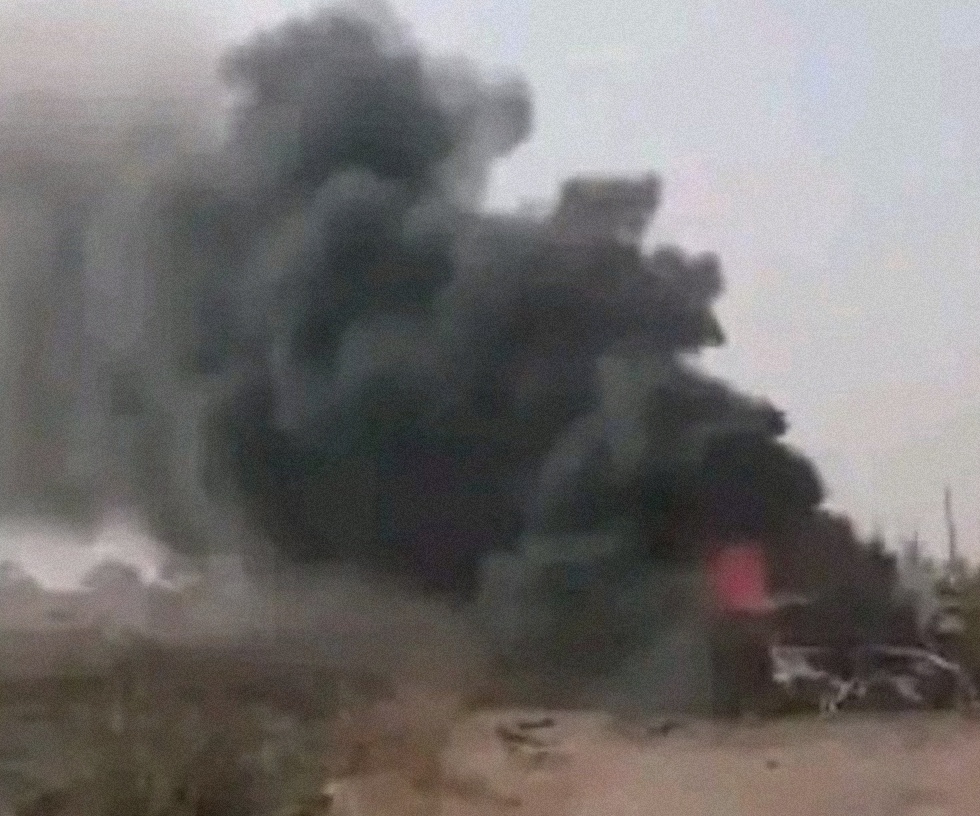
It was a cloudy Monday morning when our team arrived in Ayamasa, a Bayelsa State community hosting the former Nigerian Agip Oil Company (NAOC), now under Oando Plc since September 2024. At the riverbank, children played football while motorcycles ferried passengers, projecting normalcy. But beneath the calm, oil spills and gas leaks have eroded the community’s health, livelihood, and hope. With every leak from the Tsuomo-Ogainbiri Gas Delivery Pipeline, residents are exposed to diseases like diarrhea, scabies, and skin rashes. Farmlands are destroyed, rivers contaminated, and fishing, a key source of food and income, has sharply declined. Apeikumo Aleibiri, Ayamasa community chairman, lamented: “For over six years, we have had no electricity. Oil spills contaminate our water, kill our fish, and give us diarrhea and skin sickness. Despite contributing to the nation’s wealth, our community is ignored.” Data from the National Oil Spill Detection and Response Agency (NOSDRA) shows that NAOC recorded 1,429 incidents, spilling over 18,000 barrels of crude oil in Bayelsa State from 2015 to 2025, while Oando had 25 incidents, spilling nearly 224 barrels between 2024 and 2025. Yet, residents say compensation is minimal, and environmental remediation is slow or nonexistent. Nearby in Emu Obedeti, Delta State, communities hosting the MWOG/UPIL pipelines report similar devastation. Residents recall the November 2023 spill that destroyed crops, fish ponds, and farmlands, with no compensation paid. Some companies provided minor community projects, like town hall repairs, but essential services such as electricity, clean water, and healthcare remain largely absent. Activists, including Alagoa Morris of the Environmental Defenders Network (ERA), warn that oil companies routinely neglect legal obligations under the Petroleum Industry Act (PIA) 2021. Sabotage accounts for some spills, but chronic negligence, poor clean-up, and delayed compensation worsen the human and environmental toll. “The lake condemned, the swamp condemned. Mangroves die, fish die, crops die. Communities continue to suffer,” Morris said. “Life expectancy here is significantly lower than the national average. Yet regulators and companies fail to act effectively.”Southeast Nigeria: Amucha and Nanka Still Waiting for Relief
The situation in the Southeast mirrors Niger Delta challenges, though caused by recurring floods and erosion rather than oil. Amucha, Njaba LGA, Imo State, has faced decades of soil erosion and flooding. Under successive governments and the present government of Hope Uzodimma, international partners, including the World Bank and UNDP, have funded pilot flood mitigation programmes, drainage projects, and community awareness campaigns. Yet, locals say these interventions have failed to deliver meaningful results. “Every year, floods wash away our crops and homes. We see the funds allocated, but they never reach us,” said Chukwuma Eze, a farmer. Meanwhile, Nanka, Orumba North LGA, Anambra State, under Governor Prof. Chukwuma Soludo, suffers similar challenges. Drainage works, embankments, and early warning systems funded by state and federal initiatives exist on paper but rarely reach the most affected households. “We lose homes, farmlands, and our tombs to flooding,” said Ijeoma Okafor, a mother of five. “Promises are made, but nothing comes to the community.” Roads connecting villages are often submerged, schools are closed, and access to healthcare is severely limited. Satellite imagery and on-the-ground reports confirm farmlands entirely submerged, forcing premature harvests and chronic food insecurity.Other Flood- and Erosion-Affected Communities Across Nigeria
The plight extends beyond the Southeast and Niger Delta:- Rivers State (Arukwo, Abua/Odual LGA):Rubber and cassava farms destroyed, rivers contaminated by crude oil and industrial runoff. Residents report limited relief, only small food parcels, leaving them struggling for survival.
- Kebbi State (Kumbotso, Warawa, Takai LGAs):Earth dams funded at ₦250 million per LGA face delays and recurring flood damage.
- Anambra State (Obosi, Ogbaru):Partial relief reaches households, yet most still lack clean water, flood-resistant roads, or adequate shelter.
- Bayelsa State (Kpansia, Ikarama):Chronic flooding displaces families, destroys schools, and contaminates farmland.
Human and Economic Toll
From the Niger Delta to Southeast Nigeria, residents face devastating economic, health, and social impacts:- Destruction of crops and fisheries, forcing premature harvests, low yields, and food insecurity.
- Water contamination and disease outbreaks, diarrhea, scabies, and other illnesses rise after spills and floods.
- Loss of infrastructure, roads, schools, and healthcare centers often submerged or destroyed.
- Limited employment opportunities, oil host communities receive few benefits, and flood-affected areas have no sustainable economic programmes.