

Jos, Plateau State — The Better Life Restoration Initiative (BERI), with support from The Global Fund under the Gender Equity Fund (GEF) Project, has concluded a two-day intensive capacity-strengthening workshop in Jos, aimed at empowering community-based and women-led organizations to integrate gender-transformative and gender-affirmative approaches into HIV, Tuberculosis (TB), and Malaria programming.
The workshop brought together 40 participants from government agencies, civil society organizations, and grassroots groups across Bauchi State. The training focused on dismantling gender-related barriers, reducing stigma, and enhancing community ownership of health interventions.
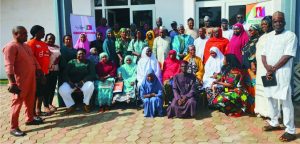 Stakeholders Call for Gender-Responsive, Stigma-Free Health Systems
Declaring the workshop open, BERI Programme Officer Deborah Ajibola Sunday stressed the need for gender considerations to be mainstreamed across all public health responses. She noted that persistent stigma, financial dependency, and socio-cultural norms continue to hinder access to lifesaving services for vulnerable populations.
Lead facilitator Mr. Nkem Ogbonna emphasized the urgency of addressing entrenched norms that impede women and marginalized groups from fully benefiting from TB, HIV, and Malaria services. According to him, gender outcomes must be measured across economic empowerment, education, health, safety, and political participation to ensure equity in programme delivery.
Government Agencies Laud BERI’s Grassroots ApproachDelivering a goodwill message, the Executive Secretary of the Bauchi State Agency for the Control of HIV/AIDS, Tuberculosis and Malaria (BACATMA), Dr. Adamu Sambo, commended BERI and The Global Fund for strengthening the capacity of community actors. He described BACATMA as a major beneficiary of the initiative and highlighted government efforts to address gender disparities through the recruitment of both male and female health workers.
Dr. Sambo revealed that Bauchi State has domesticated the anti-stigma law, significantly reducing discrimination against people living with HIV. “We have sensitised our communities that HIV is not a death sentence. Many patients now access care without fear or shame,” he said, promising continued institutional support for the initiative.
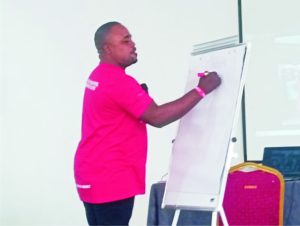 Technical Sessions Deepen Participants’ Knowledge
Participants engaged in a series of expert-led sessions featuring case studies, peer-learning, scenario-based exercises, and practical gender analysis tools.
Highlights included:
- Gender in TB Programming by Deborah Ajibola Sunday, examining the effects of stigma and financial dependency on TB prevention and treatment.
- Gender Analysis Tools in Health Programming by Nkem Ogbonna, introducing analysis matrices, community power mapping, and the gender integration continuum.
- Gender-Transformative Approaches (GTA) by Idehenre Gloria O., underscoring the need to shift power relations and promote shared decision-making.
- Advocacy and Institutional Gender Strengthening led by Iliya Yohanna, highlighting the role of strong internal gender policies and organizational commitment.
Key thematic areas such as Gender and Health Pathways; Designing Gender-Responsive Interventions; GTA in Community and Health Systems; Gender-Based Monitoring and Evaluation; and Peer Learning and Knowledge Exchange were also explored.
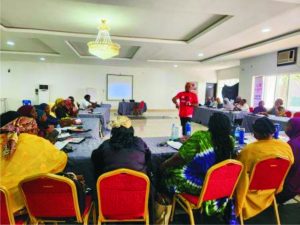 Participants Pledge to Advance Gender Equity in Health
Representatives from various organizations, including the Rosana Empowerment Foundation (REF), described the training as transformational, noting that it enhanced their ability to design inclusive community interventions. Participants jointly adopted an action plan that includes mainstreaming gender analysis tools, strengthening internal policies, conducting community sensitization, establishing advocacy networks, and introducing gender-sensitive indicators in monitoring and evaluation.
A Collective Commitment to Health EquityIn closing, BERI reaffirmed its commitment to grassroots empowerment, while The Global Fund encouraged participants to sustain collaboration and dismantle gender-related barriers across HIV, TB, and Malaria programmes.
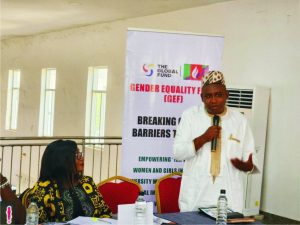 Stakeholders agreed that eliminating stigma and addressing gender inequalities remain central to achieving sustainable health outcomes.
REF applauds BERI and The Global Fund for this impactful workshop in Jos. Integrating gender-transformative approaches into HIV, TB, and Malaria programs is essential to dismantle stigma and promote equitable access to health services. We commend all participants for their commitment to advancing gender equity and empowering women-led and community-based organizations to drive sustainable, inclusive health outcomes.
— Rosana Empowerment Foundation (REF)