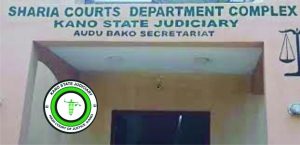
Abuja — Amid the unfolding Kano Sharia orphan funds case, the Kano State Judicial Service Commission (JSC) has intensified oversight of judicial conduct, suspending two court registrars and warning two Upper Sharia Court judges for alleged misconduct.
The move underscores the commission’s commitment to discipline and restoring public confidence, even as the Sharia Orphan Funds case takes a new turn. In this high-profile case, judges and registrars accused of diverting N99 million meant for orphans are requesting a trial in a regular criminal court, sparking nationwide debate on fairness, justice, and accountability.
In a separate action in December 2025, the JSC also suspended court officials over alleged misappropriation of funds and issued warnings to another Sharia judge for delays in releasing court records, reflecting ongoing reforms and stricter accountability within the Kano State judiciary.
Kano High court However, the spotlight has also returned to a related, high-profile legal saga. Several Sharia court judges and registrars in Kano State, accused of diverting N99 million meant for orphans, are requesting that their case be tried in a regular criminal court rather than under Sharia processes. The development has reignited public discussion on crime, punishment, and the rule of law in Nigeria’s plural legal system.Reports indicate that a Kano Magistrate Court presided over by Magistrate Mustapha Sa’ad Datti originally remanded eight Sharia court judges and seven Sharia Commission staff in custody in January 2023 following charges by the Independent Corrupt Practices and Other Related Offences Commission (ICPC) of conspiracy, betrayal of trust, and theft of the orphan funds. Defendants include Gazzali Wada, Yusuf Abdullahi, Sani Ali, Bashir Baffa, Sani Uba Ali, Hadi Tijjani Mu’azu, Mustafah Bala, and Alkasim Abdullahi. All pleaded not guilty to the charges.Sharia Courts Department of the Kano State JudiciaryIn subsequent proceedings, defence lawyers filed an application seeking the transfer of the trial to a general criminal court, arguing that the seriousness of the alleged offences and procedural fairness warrant such a move. The irony is that judges once entrusted with administering Sharia law are now requesting to be tried outside that very system.The case, initially adjourned to 1 February 2023, has not seen widely reported updates confirming release of the defendants, suggesting they remain in custody as the legal process continues in the ordinary court system.Legal experts speaking with SkyDNews stress that defendants in the Kano Sharia orphan funds, have a constitutional right to seek a change of venue if they believe a court lacks jurisdiction or if procedural fairness may be compromised. Such motions are recognized under the Administration of Criminal Justice Law and do not automatically imply guilt.Public reaction has been mixed. Critics question why judges who once upheld Sharia law appear to be avoiding trial in that system, arguing that the move could undermine public confidence in equal application of justice. Observers note historical patterns where judicial and public official misconduct in Nigeria, including embezzlement and pension fund scandals, often involved extensive procedural maneuvers before substantive hearings, fueling perceptions of inequity.Kano State Judicial Service CommissionFor many Nigerians, the heart of the story lies not in legal technicalities but in ensuring justice is served without fear or favour, irrespective of office held. Supporters of due process insist every defendant deserves fair consideration, including requests for venue changes, while courts must decide based on evidence and law.As proceedings continue, both the disciplinary actions by the JSC and the ongoing N99 million orphan funds case serve as a test of Nigeria’s commitment to transparency, accountability, and the principle that no one is above the law, whether in a Sharia court, Magistrate’s Court, or any regular criminal forum.#KanoShariaOrphanFunds #ShariaOrphanFunds