


Young people in Nigeria represent one of the most dynamic and influential segments of society. Yet, they continue to face unique challenges in accessing accurate, youth-friendly HIV information and services.
Misconceptions about HIV transmission, cultural taboos around sexual and reproductive health, and limited access to adolescent-focused healthcare contribute to heightened vulnerability. Despite national HIV prevention campaigns, many adolescents and young adults remain unaware of their status or hesitant to seek testing and treatment. Addressing these gaps requires innovative, youth-centered strategies that empower young people as active participants in their own health and the broader HIV response.At Rosana Empowerment Foundation (REF), we recognize that youth-led solutions are essential to transforming HIV education and awareness. Through our “Youth Health Ambassadors” initiative, we train young volunteers to become peer educators and community advocates, equipping them with accurate information, communication skills, and digital tools to reach their peers effectively.

These ambassadors deliver interactive workshops, organize community discussions, and create social media content that addresses HIV prevention, treatment literacy, sexual and reproductive health, and stigma reduction. By centering youth voices, REF ensures that information is not only accurate but also relatable, culturally sensitive, and actionable.
Digital innovation is a key component of our approach. REF leverages online platforms, including social media, blogs, podcasts, and short videos, to reach tens of thousands of young people monthly. Through these channels, we share compelling educational content, success stories of young people living with HIV, and guidance on accessing health services. This online presence not only extends the reach of our programs but also facilitates safe spaces for dialogue, peer support, and knowledge sharing.Our approach yields measurable impact. Communities engaged through REF’s programmes report higher rates of HIV testing, improved adherence to treatment, and a reduction in stigma and misinformation among young people. Moreover, youth participants gain leadership skills, confidence, and a sense of agency, becoming advocates for health and social change in their own networks.
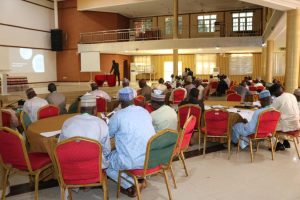
The lessons learned through youth-focused engagement in Nigeria are relevant to the global HIV response. As the international community prepares for events such as AIDS 2026, it is clear that youth must be both beneficiaries and drivers of health innovation. Empowering young people to lead education, advocacy, and peer support initiatives ensures more effective, inclusive, and sustainable outcomes.
At REF, we are committed to bridging the knowledge gap, fostering youth leadership, and promoting a culture of responsible, informed, and resilient communities. By investing in young people, we are not only enhancing HIV prevention and care today but also cultivating the next generation of health advocates, leaders, and change-makers who will continue to shape the fight against HIV and improve community wellbeing across Nigeria and beyond.