

Jos, Plateau State - The Better Life Restoration Initiative (BERI), with support from The Global Fund, has concluded a two-day intensive capacity-strengthening workshop aimed at equipping community-based and women-led organizations with the skills to integrate gender-transformative approaches into HIV, Tuberculosis (TB), and Malaria programming.
The workshop, which drew participants from across Bauchi State, focused on practical strategies to enable frontline development actors design and advocate for health interventions that address gender inequalities affecting access to healthcare.
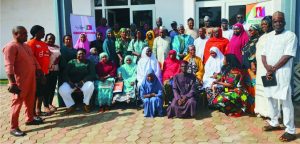
Stakeholders Call for Gender-Responsive Health Systems
Miss Deborah Ajibola Sunday, BERI Programme Officer, while opening the session, underscored the need to mainstream gender considerations across all health interventions.
Lead facilitator Mr. Nkem Ogbonna urged civil society organizations to confront deeply rooted socio-cultural norms that continue to limit women and other vulnerable groups from accessing lifesaving health services.
Government Agencies Applaud BERI’s Capacity-Building Initiative
Goodwill messages were delivered by the Director of the Bauchi State Agency for the Control of HIV/AIDS, Tuberculosis, Leprosy and Malaria (BACATMA), alongside representatives from the Bauchi State Ministry of Women Affairs and the State Primary Healthcare Agency.
The agencies commended BERI and The Global Fund for their investment in grassroots capacity building, emphasizing that community actors equipped with an understanding of gender dynamics are essential for fostering sustainable, inclusive, and effective public health systems.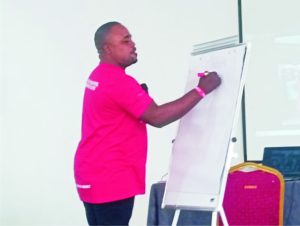
Technical Sessions Feature Expert Presentations
Over the course of the two-day workshop, participants engaged in a series of expert-led presentations, case studies, peer-learning sessions, and scenario-based exercises designed to enhance their capacity in gender-responsive health programming.
Key sessions included Gender in TB Programming, delivered by Deborah Ajibola Sunday, which explored barriers such as stigma and financial dependency that hinder TB prevention and treatment. Nkem Ogbonna facilitated Gender Analysis Tools in Health Programming, introducing participants to analysis matrices, community power mapping, and the gender integration continuum. In her session on Gender-Transformative Approaches (GTA), Idehenre Gloria O. highlighted the importance of shifting power relations and promoting shared decision-making within health interventions. Advocacy and Institutional Gender Strengthening, led by Iliya Yohanna, emphasized the necessity of strong internal gender policies and sustained organizational commitment. Additional topics covered included Gender and Health Pathways; Designing Gender-Responsive Interventions; GTA in Community and Health Systems; Gender-Based Monitoring and Evaluation; and Peer Learning and Knowledge Exchange.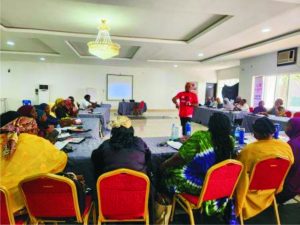
Participants Report Significant Capacity Gains
Representatives of several organizations, including the Rosana Empowerment Foundation (REF), described the workshop as highly transformative. They noted that the sessions deepened their understanding of how gender inequalities shape health outcomes and strengthened their ability to design inclusive, community-driven interventions.
BERI, Global Fund Reaffirm Commitment to Grassroots Empowerment
BERI reaffirmed its commitment to supporting civil society organizations in developing gender-responsive community health systems. Representatives of The Global Fund praised participants’ high level of engagement and encouraged organizations to strengthen collaboration to dismantle gender-related barriers across HIV, TB, and Malaria programmes.
Closing Session: A Collective Commitment to Action
At the closing ceremony, participants jointly pledged to implement their newly developed action plans. Stakeholders reiterated that:
“Gender equality remains a critical pillar for achieving sustainable health outcomes.”
Organizations were urged to champion programmes that advance dignity, equity, and empowerment across their communities.
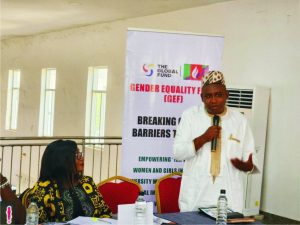
Action Plan Adopted by Participants
- Strengthen Gender Integration – Mainstream gender-transformative tools, analysis matrices, power mapping, and the integration continuum across all HIV, TB, and Malaria interventions.
- Conduct Community Sensitization – Address harmful gender norms, stigma, and inequalities through targeted awareness campaigns.
- Build Institutional Capacity – Develop and update internal gender policies while strengthening staff capacity on gender-responsive programming.
- Enhance Collaboration and Networking – Establish a gender advocacy network to promote coordination and best-practice sharing among community groups.
- Improve Monitoring and Evaluation – Introduce gender-sensitive indicators to measure programme impact and improve accountability.
- Promote Storytelling and Advocacy – Document and share local impact stories to drive advocacy and highlight progress in gender-responsive health initiatives.