

The Igbo people, one of the largest ethnic groups in Africa, have an identity deeply intertwined with the concept of Biafra. While Igbo represents the nationality, Biafra symbolizes the struggle for self-determination, justice, and sovereignty. The two are inseparable because the quest for Biafra is a continuation of the Igbo people's historical resilience, their political and economic aspirations, and their deep-rooted sense of justice and equity.
Historical Igbo Migration and the Biafran Identity
Igbo history is rich with evidence of early migrations. Before the emergence of present-day Nigeria, the Igbo had settled far and wide, engaging in commerce, craftsmanship, and inter-group relations.
Historical records and oral traditions indicate that the Igbo were already present in Western Nigeria long before the arrival of Oduduwa, the legendary progenitor of the Yoruba people. The idea that some Igbo originated from Igala, Benin, or other neighbouring regions lacks strong historical backing. Instead, what transpired was reverse migration - where Igbos who had earlier moved out for trade and exploration eventually returned to their ancestral homelands, bringing with them cultural influences acquired over time.
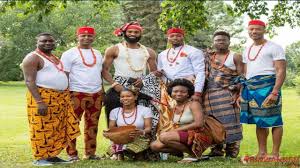
The Igbo, known for their industriousness, also migrated northward, where they engaged in trade and became prominent entrepreneurs. Their movement across different regions of Nigeria underscores their adaptive spirit but does not diminish their collective identity. Even in diaspora, Igbo communities remain connected to their roots, reinforcing the idea that Igbo identity transcends geography.
Biafra: A Struggle for Self-Determination
The name Biafra became widely recognized during the Nigerian Civil War (1967–1970), when the Igbo and other Easterners sought independence due to economic, political, and ethnic marginalization. The 1966 anti-Igbo pogroms in Northern Nigeria, where thousands of Igbo lives were lost, reinforced the belief that they needed a separate nation to ensure their survival and dignity. The Republic of Biafra was declared on May 30, 1967, under General Chukwuemeka Odumegwu Ojukwu, marking a pivotal moment in Igbo history.
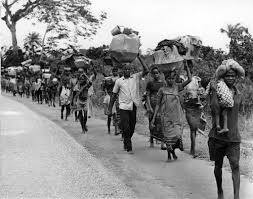
Although the war ended in 1970 with Biafra's reintegration into Nigeria, the struggle never truly died. The Igbo people's demand for fairness, equity, and self-determination remains strong, leading to the resurgence of pro-Biafra movements such as the Indigenous People of Biafra (IPOB) and the Movement for the Actualization of the Sovereign State of Biafra (MASSOB). These groups, despite political and legal pressures, continue to push for recognition of Biafra as a representation of Igbo aspirations.
The Inseparability of Igbo and Biafra
To separate the Igbo from Biafra is to ignore history, culture, and the lived experiences of the Igbo people. Biafra is not just about secession; it embodies the Igbo spirit of resistance, self-determination, and the desire for a fair and just society. Even though the Nigerian state feels happy to officially consider Biafra a closed chapter, the name remains deeply embedded in the consciousness of Igbo people globally.
In conclusion, the Igbo and Biafra are one. Igbo represents a people with a rich history and cultural heritage, while Biafra symbolizes their collective struggle for justice and self-rule. As long as the conditions that led to the initial call for Biafra persist - political exclusion, economic marginalization, and ethnic discrimination - the Igbo will continue to see Biafra as an extension of their identity. No amount of suppression can erase a movement born out of the need for survival and dignity.
#IgboBiafraUnity, #BiafraStruggle, #IgboHeritage, #SelfDetermination, #BiafraLivesOn