
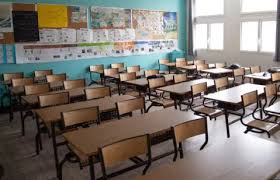
Education is the bedrock of any progressive society, serving as a tool for personal development, economic growth, and national advancement. However, the decision by some Northern Nigerian states to shut down schools for the entire duration of Ramadan raises serious concerns about its long-term impact on students' academic and developmental progress. While it is essential to respect religious beliefs, policies governing education must not compromise the academic future of the younger generation.

Shutting Down Schools Undermines Educational Progress
Shutting down schools for Ramadan disrupts learning at a time when Northern Nigeria is striving to bridge the educational gap with other regions. Ramadan is a sacred month of worship and self-discipline, but it does not necessitate disrupting children's learning. Islam places a high value on education, and fasting does not hinder academic activities. Many Muslim-majority countries continue schooling during Ramadan without compromising spiritual obligations. Instead of adopting policies that hinder education, leaders should focus on improving school infrastructure, teacher training, and student engagement. True devotion includes seeking knowledge and fostering societal development.
The Impact on Students' Academic Growth
Temporarily closing schools for one month every year disrupts students' learning processes. A well-structured academic calendar ensures consistency in learning, and prolonged interruptions result in learning setbacks. Unlike planned school holidays, these unstructured breaks leave students struggling to catch up, affecting retention, comprehension, and overall academic performance. Northern Nigeria already faces critical educational challenges, including low enrollment, inadequate infrastructure, and high dropout rates. The COVID-19 pandemic, prolonged teachers’ strikes, and other disruptions have already taken a toll on students. Further interruptions only exacerbate the region’s educational deficit.

Selective Application of Policy: Why Only Schools?
One of the most glaring concerns is the selective application of this policy. If the rationale for closing schools is to allow Muslim students and teachers to fast without stress, why are other sectors of the economy - banks, hospitals, businesses, and government offices - allowed to function normally? Many Muslims in these sectors observe fasting while continuing their duties. This inconsistency suggests that the decision is not about fasting but rather a misplaced prioritization that portrays education as expendable.
The Role of Teachers: Passion or Lack of Commitment?
This policy also raises questions about the role of teachers in the affected states. Does it imply that teachers cannot fulfill their duties while fasting? Professionals in various fields, including banking, healthcare, and engineering, continue their work during Ramadan. A committed educator should be able to teach while observing religious practices. Instead of shutting down schools, the government should support teachers with flexible schedules or lighter workloads if necessary.

The Case of Bauchi State and Democracy in Action
Bauchi State, like any other state, has the right to govern itself according to its cultural and religious values. However, democracy thrives on constructive criticism and dialogue. This discussion is not an attack on Bauchi’s religious or cultural choices but a call for balanced policies that do not hinder long-term educational progress. Prioritizing education while respecting religious observance is in the best interest of the state and its people.
A Broader Perspective: Comparisons with Other States
Some argue that disruptions in other states, such as the Southeast’s sit-at-home orders, also impact education. However, one wrong does not justify another. Both situations highlight the urgent need for policies that safeguard uninterrupted learning for students nationwide.
Possible Alternatives to Full School Closure
Instead of shutting down schools, state governments could consider alternative measures such as:
- 1. Adjusting School Hours: Schools could operate for shorter hours to accommodate fasting students and teachers.
- 2. Online Learning Options: Digital platforms could ensure continuous education without requiring physical presence.
- 3. Weekend and Holiday Catch-up Classes: Structured remedial programs could help students recover lost learning time.
- 4. Flexible Exam Scheduling: Schools can reschedule examinations to ease stress on fasting students.
The Need for a Balanced Approach
The issue of shutting down schools during Ramadan is not just about religion - it is about ensuring that education does not suffer due to poorly thought-out policies. While respecting religious beliefs is crucial, state governments must recognize that education is the foundation of development. Policies should be inclusive, ensuring that academic progress is not sacrificed in the name of religious observance. It is time for Islamic scholars, traditional rulers, thought leaders, and well-meaning individuals in the North to speak out against this counterproductive policy. Education is a fundamental right and a critical tool for breaking the cycle of poverty and underdevelopment. Schools must remain open to ensure the region’s progress is not sacrificed for misplaced priorities.
Let us remember that true devotion to God includes seeking knowledge and working toward the betterment of society. Shutting down schools is not the way to achieve this. Ramadan Mubarak to all Muslims!
#EducationMatters, #KeepSchoolsOpen, #RamadanAndEducation, #NorthernNigeria, #EducationForAll