

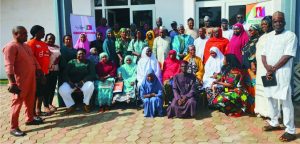
Nigeria has made significant strides in the fight against HIV over the past two decades. Access to antiretroviral therapy (ART) has improved, awareness campaigns have increased knowledge about transmission and prevention, and national strategies have prioritized key populations. Yet, stigma and discrimination remain persistent barriers that undermine these gains.
Many people living with HIV (PLHIV) continue to face social exclusion, denial of healthcare services, discrimination in workplaces, and even physical and psychological violence. Such barriers not only hinder access to life-saving treatment and care but also discourage individuals from seeking HIV testing, disclosure, and long-term treatment adherence.At Rosana Empowerment Foundation (REF), we believe that community empowerment is central to overcoming these challenges. Stigma cannot be addressed solely through clinical interventions; it requires engaged, informed, and resilient communities. REF’s approach combines outreach programmes, awareness campaigns, media advocacy, and grassroots engagement to educate communities, challenge misconceptions, and create safe spaces for dialogue. By engaging local leaders, educators, youth, and religious influencers, we help communities internalize accurate HIV knowledge and foster an environment of inclusion.
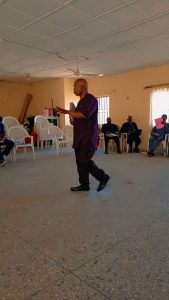
One of REF’s recent initiatives focused on youth engagement in Bauchi State. We trained young community leaders to serve as peer educators, equipping them to deliver accurate HIV information across schools, religious institutions, and community centers. These young advocates facilitated interactive storytelling sessions, allowing PLHIV to share their lived experiences safely and publicly. This strategy has yielded measurable results: higher HIV testing uptake among adolescents and young adults, improved adherence to ART, and a significant reduction in reported incidents of stigma within participating communities.
Beyond in-person outreach, REF leverages digital media and communications to amplify marginalized voices. Through social media campaigns, online storytelling, podcasts, and short videos, we bring real-life experiences of PLHIV to a broader audience, reaching over 50,000 people monthly across Nigeria. By humanizing the challenges and successes of individuals living with HIV, we not only raise awareness but also foster empathy and reduce fear-based prejudice.
Addressing HIV stigma requires a holistic, community-centered approach. Global efforts must prioritize empowering communities to take active roles in education, advocacy, and peer support. When individuals are informed and supported, they are more likely to seek testing, adhere to treatment, and support others in similar circumstances. Strong community networks, coupled with evidence-based advocacy and inclusive media coverage, can accelerate progress toward an HIV-free generation.
At REF, we remain committed to driving change, promoting dignity, and safeguarding equality for all people, regardless of their HIV status. By engaging communities, amplifying voices, and challenging stigma, we aim to contribute to a sustainable, rights-based HIV response in Nigeria and beyond. Empowered communities are not just participants, they are the key catalysts for a world free from HIV-related stigma and discrimination.